

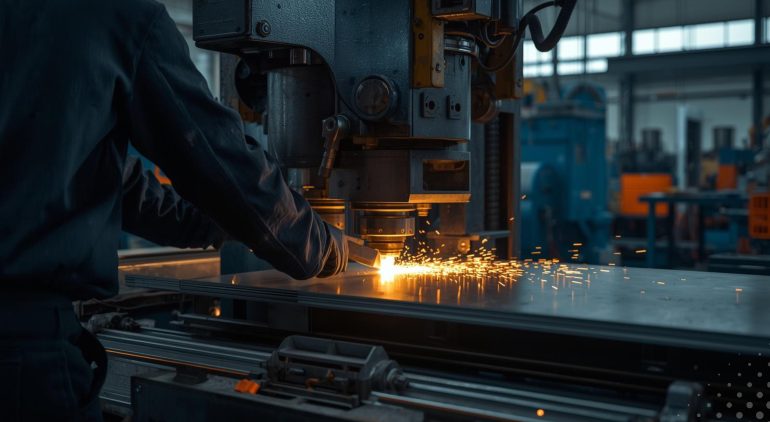
7 Common Challenges in Material Forming and How to Solve Them
The forming of any kind of material plays a vital role in modern manufacturing. From shaping metal components for construction and automotive parts to producing precision components for industrial equipment, material forming processes help transform raw materials into functional products.
However, the forming of any kind of material is not always straightforward. Manufacturers often face technical challenges that can affect production efficiency, product quality, and overall costs.
Understanding these challenges—and how to solve them—can help businesses improve productivity and achieve consistent manufacturing results. In this article, we’ll explore seven common challenges in the forming of any kind of material and practical solutions to overcome them.
1. Material Cracking During the Forming of Any Kind of Material
One of the most common issues in the forming of any kind of material is cracking. This occurs when the material is stretched beyond its strength limits during bending, pressing, or shaping.
How to Solve It
Manufacturers can reduce cracking by:
- Selecting materials with better ductility
- Adjusting forming speeds and pressure
- Applying proper lubrication during the forming process
Proper process control helps ensure the material maintains its structural integrity while being shaped.
2. Inconsistent Material Thickness
Another frequent challenge in the forming of any kind of material is uneven thickness across the finished component. This problem can weaken the final product and lead to structural failure.
How to Solve It
Solutions include:
- Using advanced forming equipment with precise control
- Designing tooling that distributes pressure evenly
- Conducting regular material quality inspections
These measures ensure that the forming of any kind of material produces consistent and reliable results.
3. Springback in the Forming of Any Kind of Material
Springback occurs when a material partially returns to its original shape after being formed. This is especially common in metals that have strong elastic properties.
How to Solve It
Manufacturers can reduce springback by:
- Overbending the material slightly to compensate
- Using heat treatments or stress relief processes
- Adjusting tooling designs to improve forming accuracy
Managing springback is essential for achieving precise dimensions during the forming of any kind of material.
4. Surface Defects and Scratches
Surface imperfections can occur during the forming of any kind of material if tools are worn, misaligned, or contaminated with debris. Scratches and marks can affect both product appearance and functionality.
How to Solve It
To prevent surface damage:
- Maintain clean and well-polished tooling
- Use protective coatings or lubricants
- Regularly inspect equipment for wear and tear
By maintaining equipment properly, manufacturers can improve surface quality and extend tool life.
5. Tooling Wear and Maintenance Issues
The tools used in the forming of any kind of material are exposed to constant pressure and friction. Over time, this can cause tool wear, leading to reduced accuracy and production inefficiencies.
How to Solve It
Effective strategies include:
- Scheduling routine equipment maintenance
- Using high-quality tool materials
- Monitoring tooling performance during production
Regular maintenance ensures that tools remain reliable and capable of delivering precise forming results.
6. Difficulty Forming Complex Shapes
Modern manufacturing often requires intricate components with complex shapes. Achieving these designs during the forming of any kind of material can be challenging without the right technology.
How to Solve It
Manufacturers can address this challenge by:
- Using advanced CNC forming equipment
- Implementing computer-aided design (CAD) simulations
- Working with experienced fabrication specialists
These technologies help engineers visualize the forming process and optimize designs before production begins.
7. Production Delays and Inefficiency
Delays can occur when forming processes are not optimized, causing slower production cycles and increased costs.
In the forming of any kind of material, inefficiencies often stem from outdated equipment, poor workflow planning, or inconsistent material quality.
How to Solve It
Improving efficiency involves:
- Upgrading to modern forming equipment
- Streamlining manufacturing workflows
- Partnering with experienced fabrication providers
Optimized production systems allow manufacturers to complete projects faster while maintaining high quality.
Why Expertise Matters in the Forming of Any Kind of Material
Material forming is both a science and an art. It requires precise engineering, advanced machinery, and deep knowledge of material behavior.
Professional manufacturing companies specializing in the forming of any kind of material understand how to balance pressure, temperature, and material properties to achieve accurate results.
By partnering with experienced fabrication experts, businesses can avoid costly production errors while ensuring their components meet strict quality standards.
This expertise leads to improved productivity, stronger products, and greater reliability across manufacturing operations.
FAQs About Forming of Any Kind of Material
1. What is the forming of any kind of material in manufacturing?
The forming of any kind of material refers to shaping raw materials such as metal, plastic, or alloys into specific forms using processes like bending, pressing, rolling, or stamping.
2. Why is the forming process important in manufacturing?
The forming of any kind of material allows manufacturers to create strong, precise components used in industries such as construction, automotive, aerospace, and industrial equipment.
3. How can manufacturers improve the forming process?
Manufacturers can improve the forming of any kind of material by using advanced machinery, proper tooling, high-quality materials, and experienced engineering expertise.
Partner With Experts in Precision Material Forming
Overcoming the challenges in the forming of any kind of material requires the right combination of technology, expertise, and quality control. Businesses that work with experienced manufacturing partners can improve production efficiency while achieving superior product performance.
At Accutek Industries, we specialize in advanced material forming solutions designed to meet the demanding requirements of modern manufacturing.
Contact Accutek Industries today to learn how our expert team can help you overcome manufacturing challenges and deliver precision-engineered components through reliable forming solutions. Let’s turn your ideas into perfectly formed results.
Contact us: 604-626-4700
Location: 4848 275 St Unit-204, Langley Twp, BC V4W 0A3
Follow Us:
Facebook: https://www.facebook.com/people/Accutek-Industires-Ltd/61579864413995/
Instagram: https://www.instagram.com/accuteklangley/