

How Do You Choose the Right Rolling Method for Sheet Metal?
When it comes to metal fabrication, few processes are as essential—or as misunderstood—as rolling. Whether you’re shaping panels for architectural projects, forming components for machinery, or fabricating custom parts, the Rolling of sheet metals plays a critical role in achieving the right shape, strength, and finish.
At Accutek Industries, we often hear the same question from engineers, contractors, and manufacturers: How do I choose the right rolling method for my project? The answer depends on your material, design requirements, tolerances, and end use. Let’s break it down in a practical, easy-to-understand way so you can make confident, informed decisions.
Why the Rolling of Sheet Metals Matters So Much
The Rolling of sheet metals is more than just bending metal into a curve. The rolling method you choose directly impacts:
- Structural integrity
- Dimensional accuracy
- Surface finish
- Production efficiency
- Overall project cost
Choosing the wrong method can lead to material stress, inconsistent results, or unnecessary rework. Choosing the right one ensures strength, precision, and long-term performance.
Understanding the Basics of Rolling of Sheet Metals
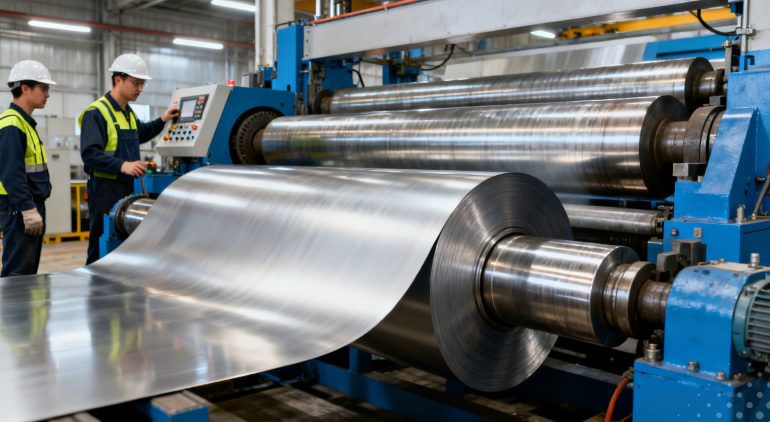
Before choosing a rolling method, it helps to understand what rolling actually does. In simple terms, rolling involves passing metal sheets or plates through rollers to create cylindrical, conical, or curved shapes.
The Rolling of sheet metals is commonly used for:
- Cylinders and tubes
- Curved panels
- Tanks and pressure vessels
- Architectural and structural components
Different rolling machines and techniques are designed for different thicknesses, materials, and tolerances.
Three-Roll Bending: A Versatile Option
Rolling of Sheet Metals for Standard Applications
Three-roll bending is one of the most widely used rolling methods. It uses three rollers arranged in a triangular formation to gradually curve the metal.
Best suited for:
- Medium-thickness sheets
- General fabrication work
- Projects with moderate tolerances
This method is cost-effective and flexible, making it ideal for many standard Rolling of sheet metals applications. However, it may require additional passes to achieve tighter radii or more precise curves.
Four-Roll Bending: Precision in Rolling of Sheet Metals
If your project demands higher accuracy and efficiency, four-roll bending is often the better choice. This method uses four rollers, allowing for better control and pre-bending of edges.
Advantages include:
- Greater precision and repeatability
- Faster production times
- Reduced material handling
For high-spec projects, four-roll Rolling of sheet metals delivers cleaner results with fewer adjustments, making it ideal for industrial and high-volume applications.
Plate Rolling vs. Sheet Rolling
Choosing the Right Rolling of Sheet Metals Technique
Thickness matters. Thin sheets and thick plates behave very differently during rolling.
- Sheet rolling is ideal for thinner materials used in enclosures, panels, and decorative elements.
- Plate rolling is designed for thicker metals used in heavy-duty applications like tanks, pipes, and structural components.
Selecting the correct Rolling of sheet metals technique ensures the material maintains its strength without cracking or warping.
Material Type: A Key Factor in Rolling of Sheet Metals
Not all metals roll the same way. Material properties significantly affect the rolling process.
- Mild steel rolls easily and is highly forgiving
- Stainless steel requires more force and precision
- Aluminum is lightweight but prone to surface marking
- Specialty alloys often need customized rolling setups
At Accutek Industries, we tailor the Rolling of sheet metals to suit each material, ensuring consistent quality regardless of complexity.
Radius, Tolerance, and Design Requirements
Getting Rolling of Sheet Metals Right the First Time
Design specifications play a huge role in method selection. Ask yourself:
- How tight is the required radius?
- Are tolerances strict or flexible?
- Is the part purely structural or also visual?
Tighter radii and stricter tolerances often require advanced rolling methods. Choosing the right Rolling of sheet metals approach early helps avoid costly design changes later.
Volume and Production Speed Considerations
Are you producing a single custom component or hundreds of identical parts? Production volume directly influences method choice.
- Low-volume or custom projects may suit three-roll bending
- High-volume production benefits from four-roll systems and automation
Efficient Rolling of sheet metals balances speed with accuracy, especially when deadlines and budgets matter.
Why Expertise Matters in Rolling of Sheet Metals
Even the best equipment can’t compensate for a lack of experience. Proper setup, material handling, and process control are essential to achieving consistent results.
At Accutek Industries, our team combines advanced machinery with deep technical expertise. We evaluate every project to determine the most effective Rolling of sheet metals solution—so you get parts that meet specifications, perform reliably, and look great.
Frequently Asked Questions
1. What is the most accurate method for rolling sheet metals?
Four-roll bending is generally the most accurate and efficient method, especially for tight tolerances and repeat production.
2. Can rolling of sheet metals weaken the material?
When done correctly, rolling maintains material strength. Improper rolling, however, can introduce stress or distortion—making professional handling essential.
3. How do I know which rolling method is right for my project?
It depends on material type, thickness, required radius, tolerance, and production volume. Consulting with an experienced fabrication partner ensures the best outcome.
Choose the Right Rolling Partner for Better Results
Choosing the right rolling method is just as important as choosing the right material. With the correct Rolling of sheet metals approach, you can achieve superior strength, precision, and efficiency—without unnecessary delays or costs.
At Accutek Industries, we specialize in delivering high-quality rolling solutions tailored to your exact requirements. From custom one-off projects to large-scale production runs, our expertise ensures results you can trust.
Ready to get your sheet metal project rolling? Contact Accutek Industries today to discuss your requirements and discover the most efficient rolling of sheet metals solution for your next project.
Contact us: 604-626-4700
Location: 4848 275 St Unit-204, Langley Twp, BC V4W 0A3
Follow Us:
Facebook: https://www.facebook.com/people/Accutek-Industires-Ltd/61579864413995/
Instagram: https://www.instagram.com/accuteklangley/